Q1.
Which of the following is a basic feature of all the organisms of Animalia?
Q2.
Which of the following lack tissue grade organization?
Q3.
Choose the correct option
Q4.
The entry of food and exit of waste takes place from separate openings in
Q5.
Which of the following is incorrect?
Q6.
Choose the incorrect option.
Q7.
Choose the correct body symmetry shown in the diagram.
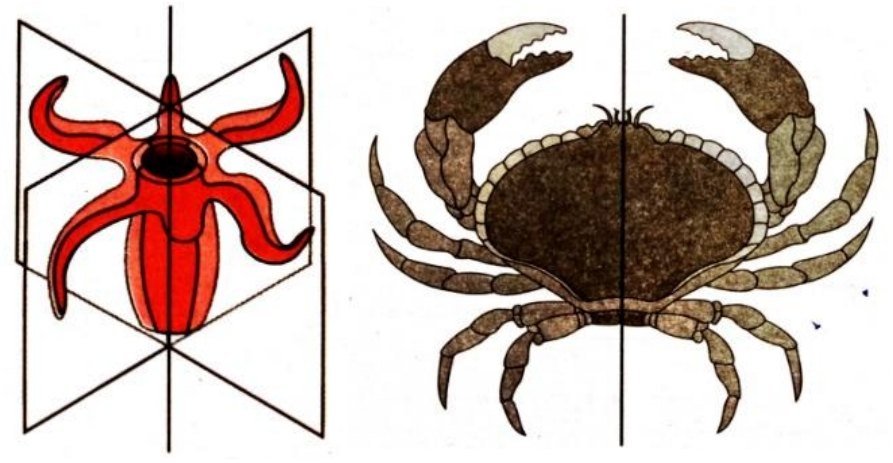
Q8.
Choose the true statement:
Q9.
Study the types of animals with respect to the presence or absence of body cavities:
Q10.
Which of the following option is wrong?
Q11.
Choose the incorrect match
Q12.
Which of the following is/are the function of coelom?
Q13.
The diagram below shows the diploblastic and triploblastic germ layers in the animals. Identify the correct option in which they are found.
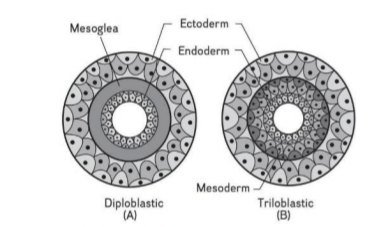
Q14.
Choose the incorrect option
Q15.
Metamerism is present in
Q16.
Choose the incorrect match:
Q17.
Choose the incorrect statement.
(I) Notochord is ectodermally derived rod-like structure.
(II) Notochord is formed on the dorsal side during embryonic development.
(III) The animals from porifera to Echinoderms are without notochord.
(IV) In some chordates, notochord is replaced by the vertebral column and these chordates are called vertebrates.
Q18.
True coelom appear in which of the following during evolution?
Q19.
The layer absent in the embryos of diploblastic animals is
Q20.
Nerve cells and tissue level of organization first appeared in
Q21.
In some animal groups, the body is found divided into compartments with at least some organs. This characteristic feature is called
Q22.
Body cavity is the cavity present between body wall and gut wall. In some animals the body cavity is not lined by mesoderm. Such animals are called
Q23.
Match the following Columns
| Column-I (Phylum) | Column-II (Characteristic Features) |
|---|
| (A) Porifera | (1) Canal system |
| (B) Aschelminthes | (2) Water vascular system |
| (C) Annelida | (3) Muscular pharynx |
| (D) Arthropoda | (4) Joined appendages |
| (E) Echinodermata | (5) Metameres |
Q24.
Which of the following animals are true coelomates with bilateral symmetry?
Q25.
Assertion: The primary character of chordates is the presence of dorsal hollow nerve cord.
Reason: Vertebral column is derived from the notochord.
Q26.
Assertion: Animals with radial symmetry has more advantage in detecting food and danger.
Reason: It allows animal to be able to respond to stimulus from any direction.
Q27.
Assertion: Aschelminthes represent pseudocoelomates.
Reason: In aschelminthes, mesoderm is present as scattered pouches in between ectoderm and endoderm.
Q29.
In case of poriferans, the spongocoel is lined with flagellated cells called
Q30.
Body having meshwork of cells, internal cavities lined with food filtering flagellated cells and indirect development are the characteristics of phylum
Q31.
In most simple type of canal system of porifera, water flows through which one of the following ways?
Q32.
Examine the figures A, B, and C. In which one of the four options all the animals (Poriferans) are correct?
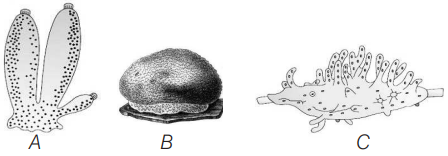
Q33.
Which of the following is a freshwater sponge?
Q34.
In poriferans, the rudimentary division of labour is found between the
Q35.
Which of the following is not a characteristic of class Porifera?
(I) Development is indirect (larval stage is present).
(II) Mostly asymmetrical and usually marine
(III) Primitive multicellular animals with cellular level of organization.
(IV) Choanocytes line the spongocoel and the canals.
(V) Sexes are separate
Q36.
Choose the correct characteristic for sponges.
Q38.
Consider the following statements about cnidarians:
(I) They have tissue level of organization and triploblastic.
(II) Digestion is extracellular and intracellular.
(III) Corals secrete calcium bicarbonate form a skeleton.
(IV) Corals may harbour some photosynthetic dinoflagellates for taking nutrition.
(V) They possess a central gastro-vascular cavity with a single opening mouth in hypostome.
Q39.
Here two basic body forms of cnidarians are given.
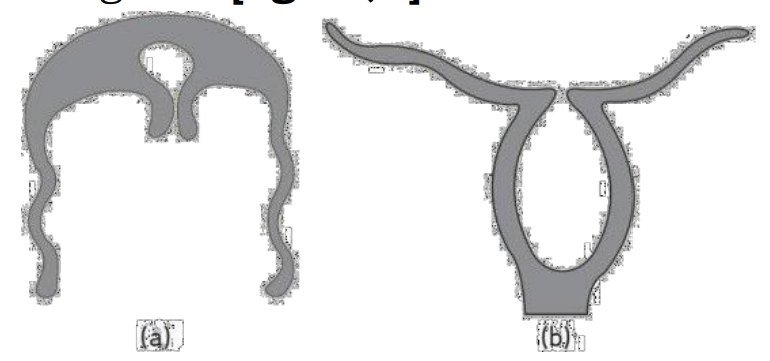
Q40.
Match the columns.
Column-I: (A) Gorgonia, (B) Adamsia, (C) Physalia, (D) Pennatula
Column-II: (1) Sea fan, (2) Sea pen, (3) Portuguese man of war, (4) Sea anemone
Q41.
'Stinging capsules' or nematocytes are found in
Q42.
Assertion: Choanocytes or collar cells line the spongocoel and the canals in poriferans.
Reason: Poriferans possess spicules or spongin fibers.
Q44.
Identify the correct option specifying the names of the animals A, B, C and D.
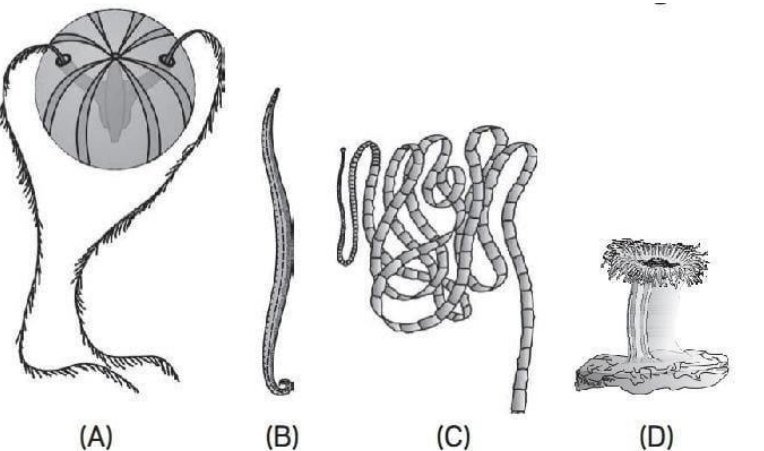
Q46.
Which of the following is not a Platyhelminthes
Q47.
Ascaris is characterized by
Q48.
Which of the option is correct for the statements given below.
(I) Commonly called sea walnuts or comb jellies.
(II) Bioluminescence is well marked.
(III) Body bear eight external rows of ciliated comb plates.
(IV) They have flame cells for osmoregulation and excretion.
(V) Alimentary canal is complete with a well-developed muscular pharynx.
Q49.
Phylum Platyhelminthes members are
Q50.
Assertion: Taenia Solium and Dugesia belong to Platyhelminthes.
Reason: Platyhelminthes are coelomates.
Q51.
Assertion: The organisms of Platyhelminthes are usually hermaphrodite.
Reason: These organisms possess internal as well as external fertilization.
Q52.
Consider the following statements about aschelminthes:
(I) Their body is circular in cross-section, so are called round worms.
(II) Alimentary canal is incomplete
(III) Muscular pharynx is present
(IV) They are hermaphrodites
Q53.
Choose the incorrect option.
Q54.
Out of the given cells, which of them can differentiate and perform different functions?
Q55.
Blood sucking leech is
Q56.
Which one of the following endoparasites of humans does show viviparity?
Q57.
Assertion: Aschelminthes and Annelids possess bilateral symmetry.
Reason: Both Aschelminthes and Annelids are coelomates.
Q58.
Which of the following animals are true coelomates with bilateral symmetry?
Q59.
The name 'Annelida' is given to animal phylum having
Q60.
In Annelids
A) neural system consists of paired ganglia connected by lateral nerves to a double ventral nerve cord
B) reproduction occur both asexually and sexually
C) like Nereis, Pheretima and Hirudinaria have monoecious condition
D) Aquatic forms are completely absent.
Q61.
Match the columns
Column-I: (A) Gills, (B) Tracheal system, (C) Book gills, (D) Book lungs
Column-II: (1) King crab, (2) Crab, prawn, (3) Butterfly, cockroach, (4) Scorpion, spider
Q62.
Choose the incorrect statement.
A) In cockroaches and prawns, excretion of waste material occurs through malphigian tubules.
B) In ctenophores, locomotion is mediated by comb plates.
C) In fasciola, flame cells take part in excretion.
D) Earthworms are hermaphrodites and yet cross fertilization takes place among them.
Q63.
Consider the following statements:
(I) Triploblastic, bilateral symmetry
(II) Metamerically segmental and coelomate animals
(III) Dioecious
(IV) Closed circulatory system
(V) Lateral appendages
(VI) Annelida
Q64.
Choose the incorrect set with respect to arthropods.
Q65.
Balancing organ of aquatic arthropods is
Q66.
Which one of the following features is not present in the phylum-Arthropods?
Q67.
Which one of the following characteristics is mainly responsible for diversification of insects on land?
Q68.
Which of the following statement is correct?
A) Insect hemolymph has no role in oxygen transport in most cases.
B) Insects hemolymph is mostly colourless.
C) Both (A) and (B)
D) None of these
Q69.
Consider the following statements about Arthropods.
(I) Open circulatory system is found in most arthropods.
(II) Arthropods contain Haemolymph which directly bathes in internal tissues and organs.
Q71.
Maggot is the larva of
Q72.
Choose the incorrect statement for phylum Mollusca.
Q73.
Choose the correct names for the following.
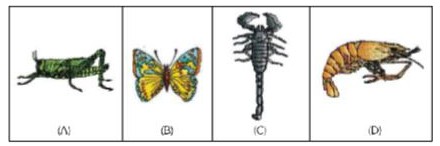
Q74.
Assertion: In many gastropods, the arms and the mental cavity are placed anteriorly above the head.
Reason: During embryonic development in many gastropods, one side of the visceral mass grows faster than the other side. This uneven growth rotates the visceral organs up to 180° in many gastropods.
Q75.
Assertion: In molluscs, feathers like gills are present in the mantle cavity.
Reason: These gills have respiration and excretory function.
Q76.
Which of the following statements represents the incorrect feature of Echinodermata?
Q77.
Which of the following is the feature of water vascular system in Echinoderms?
Q78.
Choose the correct statement for star fish.
(I) Sexes are separate and reproduction is sexual
(II) Development is indirect with free-swimming larva
(III) Mouth is present on the upper (dorsal) side and anus on the lower (ventral) side.
(IV) Their body bear jaw-like structure which is called oral arms.
Q79.
Which one for the following animals does not undergo metamorphosis?
Q80.
Choose the correct statement for the following animals.
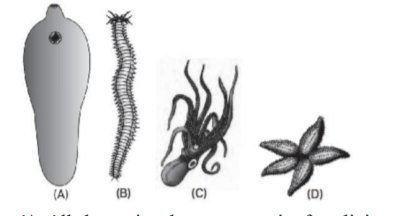
Q81.
Which of the following is incorrect statement for Hemichordata?
Q82.
Select the feature which is/are not present in Hemichordates.
Q83.
The correct classification of given animal is
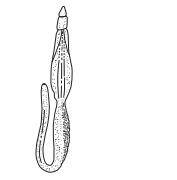
Q84.
The body of Balanoglossus is divisible into
Q85.
An important characteristics that hemichordates share with chordates is
Q86.
Which of the following is not found in the phylum chordate
Q87.
Animals belonging to phylum-chordata are fundamentally characterized by the presence of structure noted as A, B, C and D. Identify A, B, C and D.
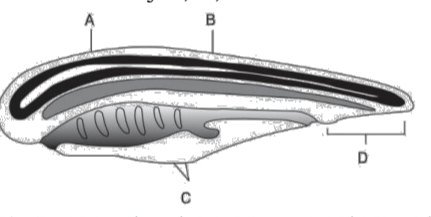
Q88.
Choose the incorrect vertebrate character.
Q89.
The following flow chart for division of sub phylum vertebrata fill in the parts A, B, C and D and choose the correct option.
Q90.
Select the correct difference between the notochord in the following:
Urochordata vs Cephalochordata
Q91.
Consider the following statements.
(I) Lancelets are jawless, primitive fish-like vertebrates.
(II) In lancelets notochord, tubular nerve cord and pharyngeal gills slits are present throughout their life.
Q92.
Which of the following represents the correct combination without any exception?
Q93.
Among the following edible fishes, which one is a marine fish having rich source of omega-3 fatty acids?
Q94.
Which one is not cartilaginous fish?
Q95.
Following are few examples of bony fishes. Choose the odd one out as marine bony fish.
Q96.
Which of the following is not a characteristic of class chondrichthyes?
Q97.
Which of the following characteristic features always holds true for the corresponding group of animals?
Q99.
Bony fishes stay at any particular depth in water without spending energy due to
Q100.
Choose the incorrect statement?
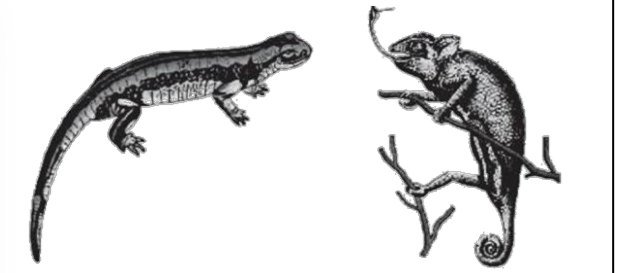
Q101.
Choose the correct option for the given figures.
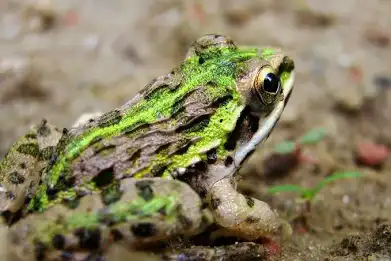
Q102.
Choose the incorrect option for the following animal.
Q103.
Which one of these animals is not a homeotherm?
Q104.
Identify the vertebrate group of animals characterized by crop and gizzard in its digestive system.
Q105.
Which among these is the correct combination of aquatic mammals?
Q106.
Which one of the following characteristic is not shared by birds and mammals?
Q107.
Which of the following animals is not viviparous?
Q108.
Choose the correct option having animals with four chambered heart?
Q109.
The animal pair with non-glandular skin are
Q110.
Which of the following characteristic is shared by both birds and mammals?
Q111.
Which of the following sets of animals belongs to a single Taxonomic group?
Q112.
Match the following columns.
Column-I: (A) Cyclostomes, (B) Aves, (C) Tunicates, (D) Balanoglossus, (E) Osteichthyes
Column-II: (1) Hemichordata, (2) Urochordata, (3) Agnatha, (4) Pisces, (5) Tetrapod
Q113.
Which of the following is incorrect for Petromyzon?
Q114.
Match the name of the animal in Column I with one characteristic in Column II and the phylum/class in column III to which it belongs.
Q115.
Choose the incorrect subphylum of Phylum Chordata
Q117.
Choose the incorrect option for chordates.
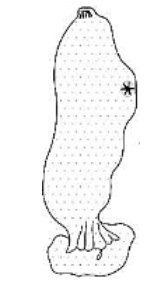
Q118.
Choose the correct option for the animals shown below.
Q119.
The skin of amphibians
Q121.
Read the following statements.
(I) Retention of larval trait is called neoteny.
(II) The largest amphibian is Cryptobranchus.
(III) Seymouria is a connecting link between amphibian and reptiles.
(IV) Larva of Ambystoma is called axolotl.
(V) Axolotls are amphibians formed without undergoing metamorphosis.
Q122.
Match the columns.
Column-I: (A) Chameleon, (B) Testudo, (C) Calotes, (D) Chelone
Column-II: (1) Tortoise, (2) Tree lizard, (3) Garden lizard, (4) Turtle
Q123.
Choose the incorrect statement for class Reptilia.
Q125.
Find the incorrect match
Q126.
Which of the following is incorrect?
Q127.
Syrinx present in birds
Q128.
The most unique mammalia character is
Q129.
The skin of the mammals is unique in possessing
Q130.
Heart is always four chambered in
Q131.
Choose the correct statements from the following:
Q132.
Choose the odd one out.
Q133.
Choose the correct option for A, B, C and D.
Q135.
Identify A, B, C and D in the table given below.
Q136.
Assertion: All vertebrates are chordates.
Reason: Vertebrates possess notochord during embryonic period.
Q137.
Assertion: All metatherians are placental mammals.
Reason: All placental mammals have menstrual cycle.
Q138.
Assertion: Duck bill platypus is not a true mammal.
Reason: True mammals are all viviparous while platypus are egg laying.
Q139.
Assertion: Bats and whales are classified as mammals.
Reason: Bats and whales have four chambered heart.
Q140.
Assertion: Mammalian teeth are heterodont.
Reason: Mammals possess more than a single tooth
Q141.
Assertion: Reptiles are referred to as poikilotherms.
Reason: Reptiles possess eggs with shells which help them to adapt in land environment.
Q142.
Assertion: Birds possess moist skin.
Reason: Birds possess oil glands throughout their body.